Cummins Repair: A Buyer's Guide
Cummins engines power thousands of trucks through the Seattle area. Here is what to look for in a Cummins repair shop in Sumner, WA, from diagnostics to OEM parts and turnaround time.
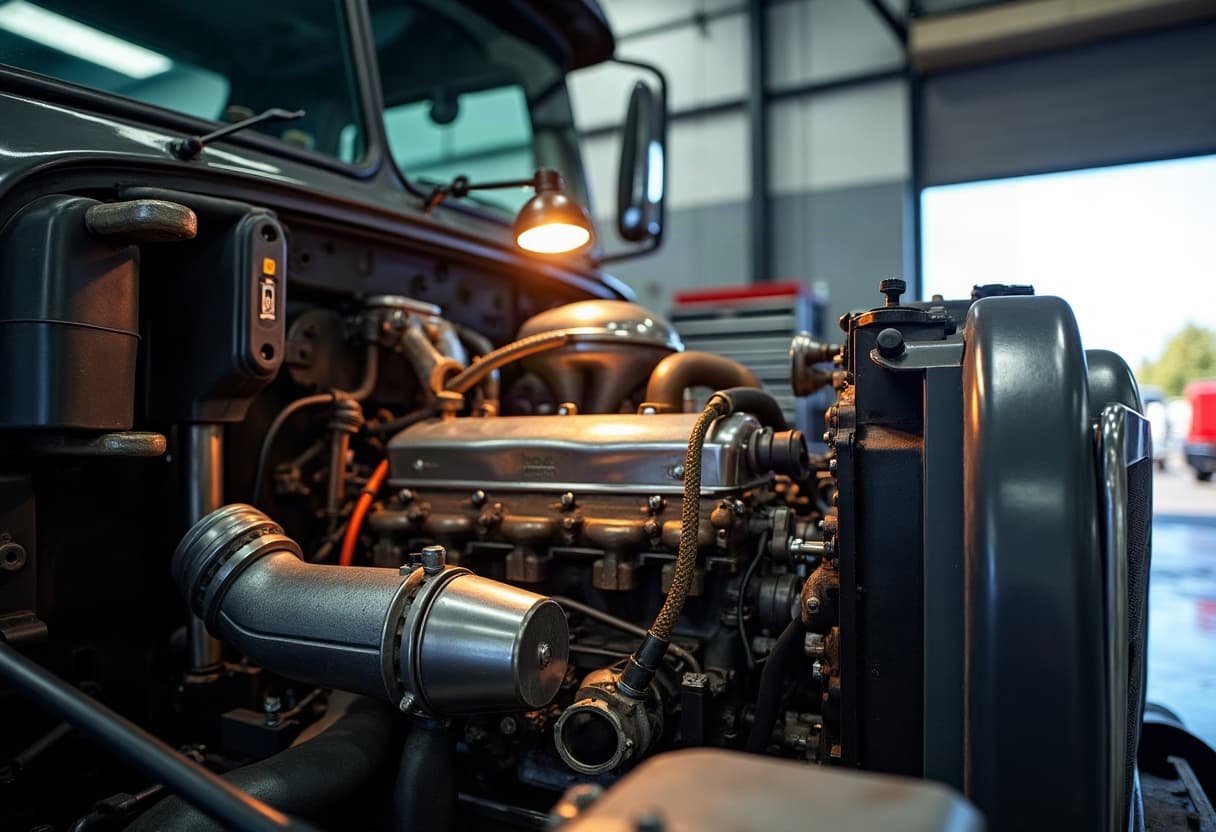
Cummins builds the engines that keep a lot of Pacific Northwest freight moving. The ISX, ISC, N14, and newer X-series power plants show up in line-haul tractors, regional delivery trucks, and vocational rigs running through Seattle, Tacoma, and the Sumner industrial corridor every day. When one of them drops a cylinder, throws a fuel-system code, or fails a DPF regen, the clock starts — every hour that truck sits is revenue you do not get back.
This guide walks through what matters when you are choosing a shop for Cummins repair in the Sumner and Seattle area, and what separates a shop that can actually fix a Cummins from one that will send you somewhere else halfway through the job.
Why Cummins Repair Is Its Own Discipline
A Cummins engine is not just another diesel. The ECM, the high-pressure fuel system, the VGT turbo, and the aftertreatment stack are all engineered to work as a set. A shop that "works on trucks" is not the same as a shop that can read Cummins fault trees, flash calibration updates, and source the right parts for your specific engine serial number.
What you want to confirm before you drop a truck off:
- Diagnostic capability. The shop needs the right software to pull every code, not just a generic OBD reader. Cummins INSITE is the standard, and it lets a technician see sub-system data, run cylinder cutout tests, and verify a fix after the repair.
- In-house machining for rebuilds. An in-frame overhaul on an ISX is common at high mileage. The shop should be able to handle teardown, cylinder head work, liner replacement, and reassembly without sub-contracting the whole job out — that is what stretches a three-day job into a three-week one.
- OEM parts, not whatever is on the shelf. Cummins parts are built to the engine's tolerances. A shop that substitutes no-name injectors or a generic turbo to save a few dollars usually costs you a come-back repair within months. Ask up front whether they use genuine Cummins or certified OEM-equivalent parts.
Emerald Fleet Services in Sumner handles heavy-duty engine rebuilds and major diesel repair on commercial trucks, including Cummins-powered rigs, and uses genuine OEM parts on every repair.
The Repairs Cummins Owners Actually See
Most Cummins repair work falls into a handful of categories. Knowing which one you are facing helps you brief the shop and get a faster, more accurate quote.
Fuel system failures. High-pressure fuel systems on the ISX and ISC are a common repair as mileage climbs. Symptoms are hard starting, low power, and fuel in the oil. A shop that can pressure-test the system and replace injectors or the high-pressure pump with calibrated parts saves you from replacing parts that were not the problem.
Aftertreatment and DPF. Cummins aftertreatment — the DPF, DOC, and EGR — is one of the biggest sources of downtime on newer engines. DPF cleaning and repair restores airflow and prevents the repeated regen cycles that cook turbo and EGR components. A shop that can clean the filter, test it, and reset the system is worth more than one that just deletes the code.
Turbo and air handling. The VGT turbo on a Cummins is a wear item. A shop should be able to diagnose a sticking VGT, a leaking actuator, or a worn wheel before recommending a full turbo replacement that may not be necessary.
In-frame overhauls. At the upper end of the mileage range, an in-frame overhaul — replacing liners, pistons, rings, bearings, and the head gasket with the engine still in the frame — is the standard way to get another several hundred thousand miles out of an ISX without the cost of a full replacement.
Local Reality: Sumner and the SR-167 Corridor
Location matters more than people expect when a truck is down. A shop in Sumner sits on the SR-167 corridor with straight runs to I-5, the Port of Tacoma, and the warehouse districts around Auburn and Kent. That means faster towing, faster parts runs, and a mobile service truck that can reach a breakdown on the highway without crossing the entire metro.
Emerald Fleet Services is family-owned and based in Sumner, WA. They run both in-shop repair and 24/7 mobile truck repair across the Seattle metro and Washington state roads. For a fleet that runs Cummins-powered trucks through the Puget Sound region, having one shop that knows the engine, knows the routes, and can come to you is what keeps small problems from becoming parked assets.
Choosing the Shop: A Short Checklist
Before you commit a Cummins-powered truck to a shop, ask:
- Can you read and flash the Cummins ECM with the right software?
- Do you do in-frame overhauls in-house, or do you sub them out?
- Do you use genuine Cummins or certified OEM-equivalent parts — and can you show the part numbers on the invoice?
- What is the typical turnaround on an ISX in-frame, parts permitting?
- Do you offer mobile repair for roadside Cummins faults, or only in-shop work?
A shop that answers those questions directly, in minutes, is the one you want.
Keep the Engine Ahead of the Repair
The cheapest Cummins repair is the one you avoid. Following the Cummins-recommended service intervals, sampling the oil at every change, and addressing a check-engine light the day it shows up — not the week before a planned run — is how fleets in the Seattle area keep their cost per mile down. A preventive maintenance program with a shop that keeps written records for every truck makes that possible.
If you are running Cummins power through the Sumner and Seattle corridor and you want a shop that can actually fix the engine, not just read the code, reach out to Emerald Fleet Services or call 206-304-6870.
Frequently asked questions
What does Cummins repair include at a heavy-duty shop?+
Cummins repair covers diagnostic scanning of the ECM, in-frame and out-of-frame engine rebuilds, fuel system and injector service, turbocharger replacement, cooling system repairs, and emissions components like the DPF and EGR. A shop working on Cummins ISX, ISC, and N14 engines should use genuine Cummins or OEM-equivalent parts and document every step.
How long does a Cummins engine repair take near Sumner?+
Minor repairs like an injector swap or sensor replacement can be done in a day. An in-frame overhaul on a Cummins ISX typically takes three to five business days once parts are staged, and a full out-of-frame rebuild can run two weeks depending on machining and parts availability. A Sumner shop on the SR-167 corridor can often pull parts same-day from Seattle-area suppliers.
Can a mobile truck reach me for a Cummins breakdown?+
Yes. Mobile repair can handle roadside Cummins issues that do not require a lift — fault-code reads, fuel filter changes, sensor swaps, coolant leaks, and DPF regen resets. A service truck dispatched from Sumner can usually reach a stranded rig on I-5 or SR-167 within 60 to 90 minutes during business hours. Major internal engine work still comes back to the shop.
How do I keep Cummins repair costs down across a fleet?+
Stay on a preventive maintenance schedule, address fault codes before they trigger a derate, and use oil sampling to catch bearing wear early. Fleets that follow Cummins-recommended service intervals spend less per truck over a year than fleets that wait for a breakdown. A shop that keeps written service records for every asset makes it easier to spot repeat problems.