DPF Cleaning Near Me
Searching for DPF cleaning near you in the Puget Sound? Learn what DPF cleaning involves, why it matters for emissions compliance, and how a Sumner, WA shop keeps your truck on the road.
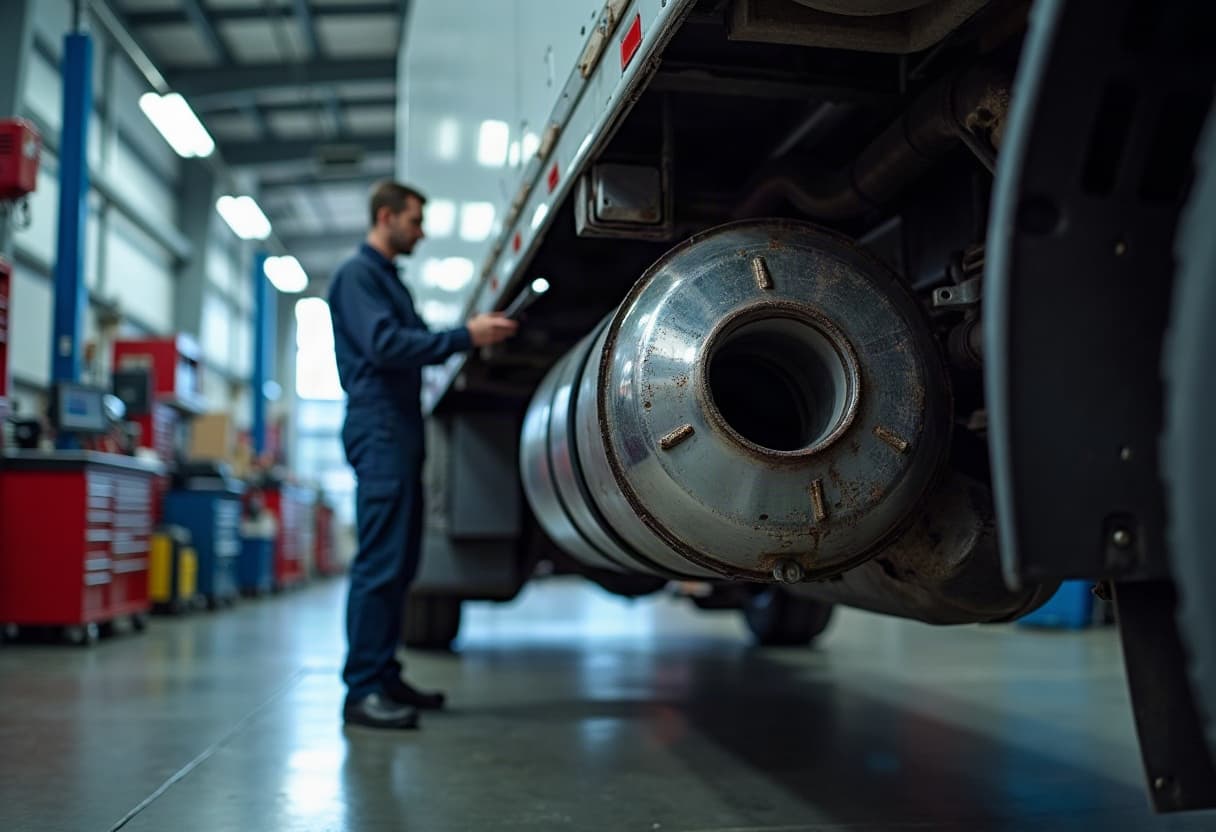
If you are searching for DPF cleaning near you, chances are your dash is telling you something. A diesel particulate filter warning light is flashing, your truck has gone into derate, or your last emissions inspection flagged a restriction. You need the filter cleaned before the problem turns into a turbo replacement or an engine failure.
DPF cleaning is one of those services that seems routine until you skip it. This guide explains what DPF cleaning involves, why it matters, and what to expect when you bring your truck to a Sumner diesel repair shop for emissions service.
What is a DPF and why does it need cleaning?
A diesel particulate filter (DPF) is a ceramic honeycomb structure mounted in the exhaust system of modern diesel trucks. Its job is to trap particulate matter — the fine soot that diesel engines produce — before it exits the tailpipe and enters the atmosphere. The DPF captures this soot during normal operation, preventing it from being released as black smoke.
The problem is that the DPF has a finite capacity. As soot accumulates, the filter restricts exhaust flow, which increases backpressure on the engine. To manage this, the truck's engine control system performs "regeneration" — a process that raises exhaust temperatures to burn off accumulated soot, converting it to ash. This passive and active regeneration happens automatically during driving.
But ash does not burn off. It accumulates in the filter over time, gradually reducing capacity. After 150,000 to 200,000 miles, enough ash has built up that the DPF needs to be physically removed and cleaned — either through thermal processing in a specialized kiln or through pneumatic cleaning that blows the ash out. This is DPF cleaning.
Signs your DPF needs cleaning
Your truck will tell you when the DPF is reaching its limits. The warning signs, in order of severity:
-
DPF warning light. A steady DPF indicator on the dash means the filter is loading up with soot faster than regeneration can clear it. The truck is asking for a manual regeneration or a highway-speed drive cycle to complete the burn-off.
-
Flashing DPF light or derate message. A flashing light means the filter is significantly restricted and the engine management system has begun limiting power and speed to protect the engine from excessive backpressure. At this point, driving is possible but performance is reduced.
-
Check engine with DPF codes. Diagnostic trouble codes like P2463 (DPF restriction – soot accumulation) or P2002 (DPF efficiency below threshold) indicate that the filter has exceeded its cleaning threshold and needs to be physically serviced.
-
Increased fuel consumption. A restricted DPF forces the engine to work harder to push exhaust through, which increases fuel consumption. If you notice your fuel mileage dropping without another explanation, a loaded DPF is a likely cause.
If you are seeing any of these signs, mobile roadside repair can assess the situation on-site, or you can bring the truck to the shop for full DPF and emissions service.
What happens during DPF cleaning
At a qualified diesel repair shop, DPF cleaning involves several steps:
-
Diagnostic scan. Before removing the filter, the technician connects a diagnostic tool to read the DPF-related codes and confirm that the restriction is caused by soot and ash loading, not a failed sensor or exhaust leak.
-
Filter removal. The DPF is removed from the exhaust system. On most Class 8 trucks, this involves unbolting the filter from the exhaust pipe and disconnecting the sensors.
-
Thermal cleaning. The filter is placed in a specialized cleaning oven that heats the ceramic core to temperatures high enough to burn off remaining soot and loosen accumulated ash. This process typically takes several hours.
-
Pneumatic cleaning. After thermal processing, compressed air is blown through the filter in the reverse direction to dislodge and remove the ash. The ash is collected and disposed of.
-
Flow test. The cleaned filter is tested for backpressure and flow rate to verify that it has been restored to acceptable performance levels. If the filter cannot be restored — because the ceramic core is cracked or melted — it needs to be replaced.
-
Reinstallation and reset. The DPF is reinstalled, sensors are reconnected, and the engine control module is reset to clear the DPF codes and reset the soot loading counter.
Why choose a local shop for DPF cleaning
DPF cleaning is not something you want to delay. Every mile driven with a loaded DPF increases the risk of turbocharger damage, engine derate, and fuel economy loss. A local shop in the Puget Sound area gives you three advantages:
-
Fast turnaround. A Sumner-based shop can receive your truck, perform the diagnostic scan, remove and clean the filter, and have you back on the road within a day. Shipping the filter to a remote cleaning service adds days of downtime.
-
Full diagnostic capability. A DPF warning light does not always mean the filter needs cleaning. A failed differential pressure sensor, an exhaust leak, or a malfunctioning EGR valve can trigger the same codes. A local shop with complex diagnostics experience can identify the actual cause before recommending an unnecessary cleaning.
-
Emissions compliance expertise. Washington State requires emissions compliance for commercial diesel vehicles. A shop that specializes in DPF and emissions service can ensure your truck passes its next inspection without a return visit.
Emerald Fleet Services is located at 15022 Puyallup St #101 in Sumner, WA — directly off SR-167 and minutes from I-5. The shop serves fleet operators and owner-operators across the Seattle, Tacoma, and Puyallup areas, and handles truck fleet servicing for operators who need regular DPF maintenance built into their preventive maintenance schedule.
FAQ
What is DPF cleaning? DPF cleaning removes accumulated soot and ash from a diesel particulate filter, restoring its ability to capture emissions without restricting exhaust flow. It prevents engine derate, increased fuel consumption, and failed emissions inspections.
How often should I clean my DPF? Most manufacturers recommend DPF cleaning every 150,000 to 200,000 miles. Warning lights on the dash — a flashing DPF indicator or active regen request — are the signal that cleaning is overdue.
Does Emerald Fleet Services offer DPF cleaning in Sumner, WA? Yes. Emerald Fleet Services provides DPF and emissions service at its Sumner facility at 15022 Puyallup St #101, including diagnostic testing, thermal cleaning, and repair of related emissions components.
What happens if I do not clean my DPF? An uncleaned DPF clogs and triggers an engine derate that limits speed and power. Left unresolved, it causes backpressure that can damage the turbocharger, exhaust valves, and engine internals, and will cause a failed emissions inspection.
Frequently asked questions
What is DPF cleaning?+
DPF cleaning is the process of removing accumulated soot and ash from a diesel particulate filter, the emissions component that traps particulate matter from diesel exhaust. Cleaning restores the filter's ability to capture emissions without restricting exhaust flow, preventing engine derate, increased fuel consumption, and failed emissions inspections.
How often should I clean my DPF?+
Most truck manufacturers recommend DPF cleaning every 150,000 to 200,000 miles under normal operating conditions, though frequent idling, short routes, or poor-quality fuel can accelerate soot accumulation. Warning lights on the dash — a flashing DPF indicator or active regen request — are the signal that cleaning is overdue.
Does Emerald Fleet Services offer DPF cleaning in Sumner, WA?+
Yes. Emerald Fleet Services provides DPF and emissions service at its Sumner facility, including diagnostic testing, thermal cleaning of diesel particulate filters, and repair of related emissions components. The shop is located at 15022 Puyallup St #101, Sumner, WA.
What happens if I do not clean my DPF?+
An uncleaned DPF eventually clogs, triggering an engine derate that limits speed and power. Left unresolved, it can cause backpressure that damages the turbocharger, exhaust valves, and engine internals. A clogged DPF also increases fuel consumption and will cause a failed emissions inspection.