Reduce Fleet Downtime This Winter
Cold, wet Pacific Northwest winters are hard on commercial trucks. Here are five practical ways fleet managers can cut downtime and avoid roadside breakdowns.
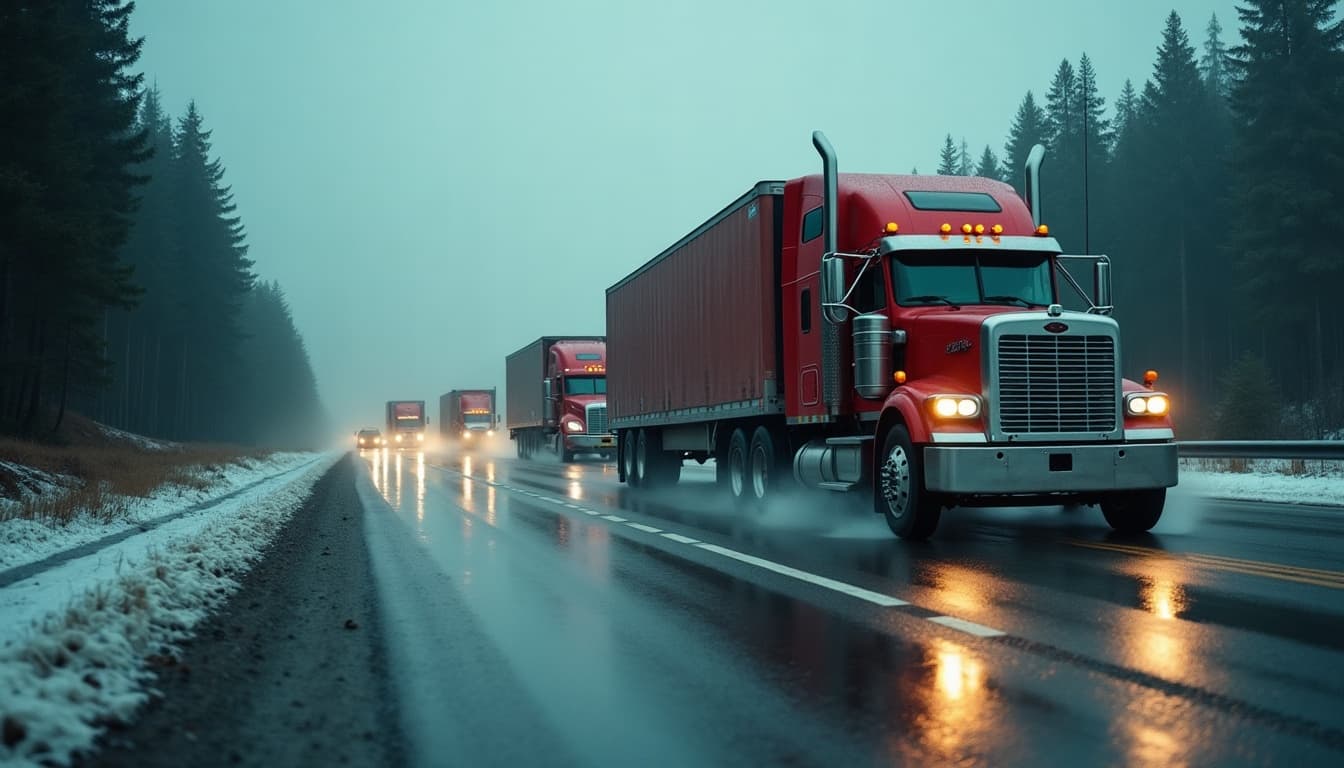
Winter in the Pacific Northwest doesn't always mean deep snow — but the relentless cold, rain, and road grime take a steady toll on commercial trucks. For fleet managers and owner-operators, every unplanned breakdown is lost revenue, a frustrated customer, and a truck sitting still instead of earning.
The good news: most winter downtime is preventable. Here are five practical ways to keep your trucks rolling through the season.
1. Get ahead of battery and charging failures
Cold weather is brutal on batteries. A battery that tested fine in September can leave a driver stranded on the first hard freeze. Before winter sets in:
- Load-test every battery in the fleet, not just the ones acting up
- Clean and tighten terminals to fight corrosion from road salt and moisture
- Check the alternator output and belt condition
A 20-minute check beats a no-start call at 5 a.m.
2. Treat your fuel and DEF before the cold does
Diesel can gel when temperatures drop, and DEF freezes at around 12°F (-11°C). Both can sideline a truck fast.
- Use a quality winter fuel additive on schedule
- Inspect fuel filters and water separators regularly
- Keep DEF tanks topped up and confirm the heating system works
3. Stay on top of your emissions system
Modern diesel aftertreatment systems are unforgiving when neglected — and winter idling and short runs make regen problems worse. A clogged DPF or a failing sensor can drop a truck into derate at the worst possible time.
If you're seeing warning lights, frequent regens, or reduced power, don't wait. Our DPF & emissions service catches these issues before they turn into a stranded load.
4. Don't skip the air system and brakes
Moisture in the air system freezes, and frozen lines mean no brakes. Drain air tanks daily, service the air dryer, and inspect brake components for wear that accelerates on wet, gritty winter roads.
5. Build a real preventive maintenance schedule
The single biggest lever on uptime isn't any one repair — it's consistency. A documented preventive maintenance program turns surprise failures into scheduled, planned service.
The cheapest repair is the breakdown that never happens.
A good PM program tracks each truck's history so small issues get caught early and your fleet planning gets easier every season. If an engine does reach the point of needing major work, our diesel engine rebuild cost guide lays out the real numbers for in-frame and out-of-frame rebuilds.
Keep your fleet moving with Emerald Fleet Services
Whether you need a full inspection in our Sumner shop or mobile roadside support when a truck won't make it in, we're built around one thing: your uptime.
Request a quote or call us and let's get your fleet winter-ready.
Frequently asked questions
How often should commercial trucks be serviced in winter?+
For most heavy-duty fleets in the Pacific Northwest, a preventive maintenance inspection every 10,000–15,000 miles or roughly every 3 months is a good baseline. In winter, tighten that interval and add cold-weather checks for batteries, the DEF/emissions system, and the air dryer.
What causes the most winter breakdowns for diesel trucks?+
The most common cold-weather culprits are weak batteries, gelled fuel, frozen or contaminated DEF, air system moisture, and neglected DPF/regen issues. Most are preventable with seasonal inspections and prompt repairs.
Does Emerald Fleet Services offer mobile repair in winter?+
Yes. Our mobile units bring diagnostics and emergent repairs to your yard or the roadside across the Greater Seattle area, which is especially valuable in winter when a tow can mean a full day of lost revenue.